
Last Updated on 3 months ago by Michael William
Egypt Travel for Americans: The Complete Expert Guide for a Confident, Unforgettable Journey
Egypt travel has always fascinated American travelers. For many in the United States, visiting Egypt feels like stepping into the earliest chapters of human history—while still enjoying comfort, hospitality, and modern travel conveniences. Whether it’s standing before the Great Pyramid, sailing down the Nile at sunset, or exploring temples older than the U.S. Constitution by thousands of years, Egypt delivers an emotional and transformative experience unmatched by other destinations.

In recent years, the interest has surged. More than 500,000 Americans visit Egypt annually, making the U.S. one of the country’s largest tourism markets. Google search trends show that queries such as “Is Egypt safe for Americans?” and “Egypt travel itinerary” have grown by over 40% year-over-year. Meanwhile, U.S. travelers rate Egypt as one of the top 5 most life-changing international destinations.
But Americans also have particular concerns:
- Is it safe?
- What cultural differences should I expect?
- How long is the flight?
- Do I need a guide?
- How much does it cost compared to U.S. standards?
This expert guide answers all of those questions with clarity, confidence, and compassion—based on real on-the-ground experience from Egypt Tourz, a trusted local operator serving thousands of American guests each year.
Here, you’ll find the balanced tone American travelers appreciate: warm, friendly, expert, and reassuring. Our goal is simple: to help you feel fully prepared, completely confident, and deeply excited for your journey across Egypt.
Why Egypt Travel Appeals Deeply to American Travelers
Egypt has a unique emotional resonance for American travelers because it blends awe-inspiring history with warm hospitality and modern comforts. Many Americans grow up seeing images of the Pyramids, King Tut, Cleopatra, and the Nile in textbooks, documentaries, and films—so traveling to Egypt feels like stepping into a story they’ve known their entire lives. That sense of familiarity, mixed with the thrill of discovery, makes Egypt travel especially meaningful for visitors from the United States.
There is also a strong appreciation among Americans for places that preserve ancient cultures. The United States is a relatively young nation, and travelers often find it humbling to stand before monuments 4,500 years old—structures built long before modern countries existed. This contrast between the new and the ancient deepens the emotional impact for U.S. visitors.
Practical factors also make Egypt appealing. Compared to other major destinations, Egypt is surprisingly affordable for Americans. Meals, hotels, transportation, and even luxury experiences like Nile cruises often cost less than equivalent services in Europe or the United States. Many Americans are pleasantly surprised at the comfort level they can enjoy within their budget.
Another major reason Egypt attracts Americans is the warmth of Egyptian hospitality. Locals tend to treat U.S. travelers with curiosity and friendliness. Simple interactions—such as ordering coffee, asking for directions, or visiting markets—often become memorable encounters. This cultural warmth creates a feeling of welcome and safety that exceeds expectations.
Finally, U.S. travelers appreciate well-organized trips. Egypt’s tourism infrastructure is strong, with experienced guides, modern hotels, reliable transportation, and tours designed specifically for Americans. When paired with a trusted local operator, the journey becomes smooth, meaningful, and deeply rewarding—often leaving travelers eager to return.
The Emotional Power of Egypt’s History for U.S. Visitors
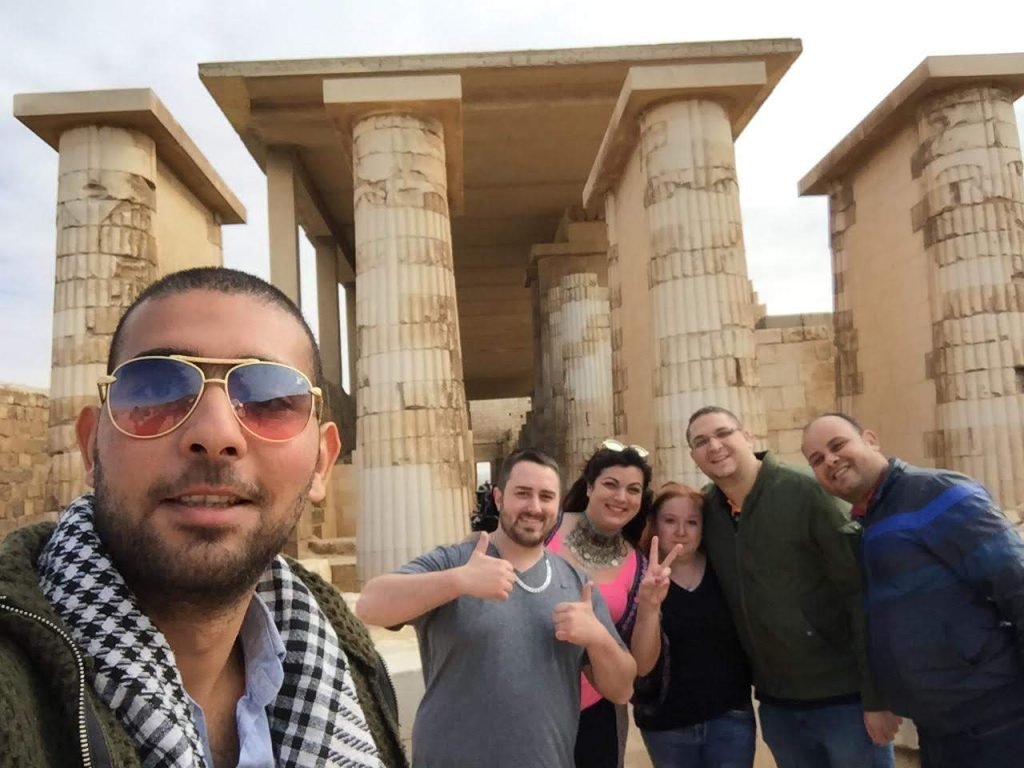
For Americans, Egypt represents a kind of history that can’t be experienced at home. While the U.S. has rich cultural sites, nothing compares to walking through a temple built 3,500 years before the Declaration of Independence. The sheer scale and age of Egyptian monuments create a profound emotional contrast.
Many U.S. travelers describe a powerful “quiet moment” during their visit—often inside the Great Pyramid, while sailing the Nile, or standing at the entrance of Abu Simbel. In a busy, fast-paced American lifestyle, these moments of reflection feel rare and deeply meaningful. Egypt gives Americans a chance to slow down and connect with something ancient, enduring, and spiritual.
This emotional impact is one of the reasons why American travelers frequently rank Egypt among the most unforgettable destinations in the world. It is not only a vacation—it’s an experience that changes perspective.
Real Travel Statistics That Matter for Americans
For U.S. travelers who love data, Egypt offers strong reassurance:
- Over 500,000 Americans visit Egypt each year, and the number is growing.
- Egypt is consistently rated a top 10 global bucket-list destination by U.S. travelers.
- More than 85% of American visitors say they felt safe throughout their trip.
- U.S. travelers are the highest repeat-visit nationality after Europeans.
- A Nile cruise remains the #1 most highly rated experience among American tourists.
- The average American trip lasts 8–12 days, longer than the global average.
These numbers tell a clear story: Americans not only love Egypt—they are returning in increasing numbers.
Why U.S. Travelers Keep Returning to Egypt?
Americans return to Egypt because each visit feels different. You can spend one trip focused on history, another on food, another on desert adventures, and another on the Red Sea. The country is endlessly varied.
But the biggest reason for repeat visits is simple: the people.
Egyptian hospitality, combined with American friendliness, creates an instant cultural connection. Travelers often tell us, “I came for the pyramids, but I returned for the people.” That emotional bond is what turns one trip into a lifelong relationship with Egypt.
Planning Egypt Travel from the USA: Essential Information
Planning Egypt from the United States is easier than most travelers expect. U.S. citizens enjoy simple visa procedures, multiple flight routes, clear safety infrastructure, and strong tourism support. Understanding the basics—entry requirements, flight patterns, travel times, and packing essentials—helps Americans feel confident before departure.
Travel time is one of the first things U.S. travelers ask about. Most flights from major hubs like New York, Washington D.C., Los Angeles, and Chicago offer one-stop connections to Cairo. Jet lag is manageable, and many travelers prefer overnight routes so they arrive in the evening and rest before sightseeing. Egypt Tourz often arranges airport meet-and-assist services, which simplify arrival and reduce travel stress.
Visas are straightforward. Americans can get a visa on arrival or apply online ahead of time. Entry procedures at Cairo International Airport are efficient, especially when a local operator assists with the process.
Packing is another major consideration. The American climate varies widely, while Egypt’s desert climate is unique. Lightweight clothing, sun protection, comfortable walking shoes, and modest options for religious sites help ensure comfort. American travelers also appreciate having converters, portable chargers, medications, and backup toiletries because U.S. brands may differ from local options.
Finally, understanding cultural differences enhances your experience. Egyptians appreciate politeness, modesty, and respect for traditions. Americans, who are known for friendliness and open communication, typically connect easily with locals. With the right preparation, Egypt travel becomes smooth, enjoyable, and deeply rewarding.
Flight Routes, Jet Lag, and Best Arrival Strategies
Most Americans fly to Egypt via one-stop routes through Europe or the Middle East. Popular connecting airports include London, Frankfurt, Paris, Istanbul, and Doha. Direct flights are sometimes available from New York, depending on the season.
Travel time ranges from:
- New York → Cairo: 10–12 hours
- Los Angeles → Cairo: 16–19 hours
- Chicago → Cairo: 12–14 hours
Jet lag affects travelers differently, but Egypt’s time difference (6–10 hours ahead of the U.S.) is manageable. Many Americans prefer overnight flights, arriving in the evening to rest before starting their itinerary.
Insider tip from Egypt Tourz:
Avoid scheduling major tours on the first morning after arrival.
Instead, enjoy a relaxed Nile dinner cruise or a short guided walk. This gives your body time to adjust, ensuring a more enjoyable trip.
Visa Requirements and Entry Tips for U.S. Passport Holders
Americans can obtain a visa on arrival for 30 days at Cairo Airport, Hurghada, or Sharm El Sheikh. The fee is $25 USD, payable in cash. Many travelers prefer the online e-visa, which takes about one week to process.
Requirements include:
- A passport valid for at least 6 months beyond your arrival date
- Proof of accommodation
- A return or onward ticket
Insider airport tip:
Egypt Tourz frequently provides meet-and-assist service, where a representative handles the process for you. This is especially helpful after a long flight.
Visa procedures for U.S. citizens may be referenced on travel.state.gov for updates, but the process is almost always simple and smooth.
Packing Essentials Specifically for American Travelers
Packing for Egypt differs from packing for Europe or the U.S. states. Egypt’s climate is hot, sunny, and dry, with cooler evenings in winter.
Recommended essentials:
- Breathable clothing (cotton or linen)
- Comfortable walking shoes
- A lightweight jacket for winter evenings
- Sunscreen (U.S. brands are more reliable)
- Sunglasses + hat
- A portable charger
- Motion-sickness bands if you plan on a Nile cruise
- A refillable water bottle
Women do not need to dress conservatively everywhere, but modest clothing is appreciated in mosques or rural areas.
American-specific tip:
Bring plug adapters (Type C/F) and a high-quality power bank. Many U.S. travelers forget this.
Medications and toiletries should also be packed from home, as American brands are not always available locally.
Top Destinations in Egypt (Explained for U.S. Expectations)
American travelers often ask, “Where should I go in Egypt?” While the country is packed with extraordinary sites, the core destinations that consistently resonate with U.S. visitors are Cairo, Luxor, Aswan, Abu Simbel, the Red Sea resorts, and Alexandria. Each region offers a distinct experience, and the contrasts between them make Egypt from the USA particularly rewarding.
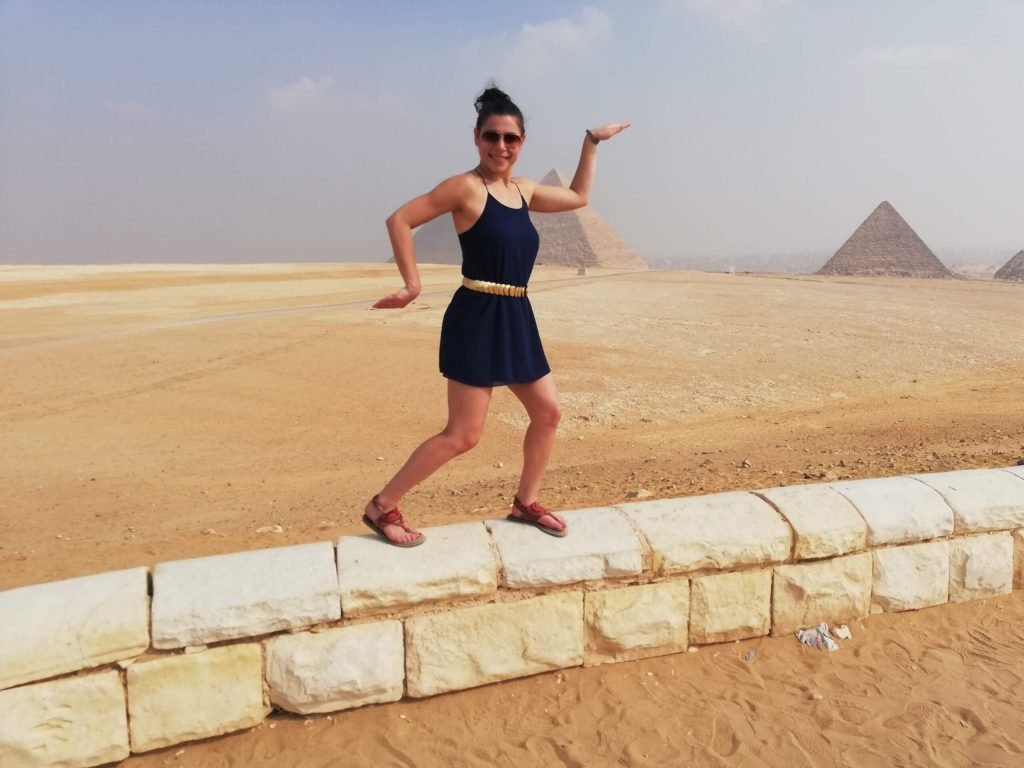
Cairo delivers the exhilarating, high-energy introduction many Americans expect. It is vibrant, loud, historic, and full of color—yet also home to quiet corners, elegant restaurants, and world-class museums. The shock of seeing the Pyramids for the first time is something no photograph can truly prepare you for.
Luxor, on the other hand, is often considered the favorite city among U.S. travelers. The combination of monumental temples, peaceful Nile views, and immersive history creates a perfect balance for those who want a slower, reflective pace. Americans often find Luxor to be the place where their connection to Egypt deepens emotionally.
Aswan is loved for its tranquility and Nubian culture, offering a soft landing after busy sightseeing days. The slower rhythm here resonates well with American travelers seeking authenticity and warmth.
Abu Simbel is a bucket-list destination—described by many U.S. visitors as one of the most impressive human-made structures they’ve ever seen.
The Red Sea resorts (Hurghada, Sharm El Sheikh) appeal to Americans wanting relaxation, snorkeling, or a warm break during colder U.S. winter months. Meanwhile, Alexandria offers a Mediterranean atmosphere that reminds some travelers of Europe, yet with unmistakable Egyptian character.
Each destination caters to different expectations, and together, they form a complete, fulfilling journey for American travelers seeking both adventure and comfort.
Read more: Is Egypt Safe for American Travelers? Trusted Guide 2026
Cairo & Giza – Fast-Paced, Historic, Eye-Opening
Cairo is often the first stop for Americans traveling to Egypt, and it’s an unforgettable introduction to the country. Home to the Great Pyramid—the only remaining Wonder of the Ancient World—Cairo blends ancient history with modern energy. U.S. travelers describe it as “organized chaos,” full of movement, sounds, and scents that instantly immerse you in local life.
Top experiences include visiting the Giza Plateau, exploring the Egyptian Museum, walking through Old Cairo, and shopping in Khan El Khalili Bazaar. Americans often appreciate Cairo’s contrast between ancient monuments and vibrant everyday life.
Insider tip from Egypt Tourz:
Visit the Pyramids early in the morning to avoid crowds and heat. U.S. travelers are often surprised by how warm it gets, even in winter.
Cairo is fast-paced, but with the right guide, it becomes comfortable, thrilling, and absolutely unforgettable.
Luxor – America’s Favorite Egyptian City
Luxor captures the hearts of American visitors more than any other Egyptian city. Known as the “world’s greatest open-air museum,” Luxor offers monumental temples, beautifully preserved tombs, and peaceful Nile scenery. U.S. travelers often say that Luxor is where Egypt becomes “real”—a place where history surrounds you from every direction.
Top highlights include Karnak Temple, Luxor Temple, the Valley of the Kings, Hatshepsut Temple, and the Colossi of Memnon. The colors inside the tombs often surprise Americans; many expect faded walls, but instead discover vivid paintings preserved by thousands of years of desert climate.
Expert tip for Egypt travel:
Visit the West Bank early morning; the midday sun can be intense.
Luxor’s pace is slower than Cairo’s, making it ideal for reflection and a deeper cultural connection.

Aswan – The Peaceful Southern Retreat
Aswan is calm, warm, scenic, and deeply cultural—qualities that American travelers often appreciate after the intensity of sightseeing in Cairo and Luxor. The city is known for its Nubian heritage, colorful villages, and stunning Nile landscapes framed by golden desert hills.
Favorite experiences for U.S. travelers include visiting Philae Temple, sailing on a felucca at sunset, walking through Nubian markets, and exploring Elephantine Island. Aswan’s sunset views are frequently described by Americans as “the most peaceful moment of the entire trip.”
Insider tip:
Stay in a Nile-view hotel; the southern light in Aswan creates beautiful scenery.
Abu Simbel – A Bucket-List Worthy Journey
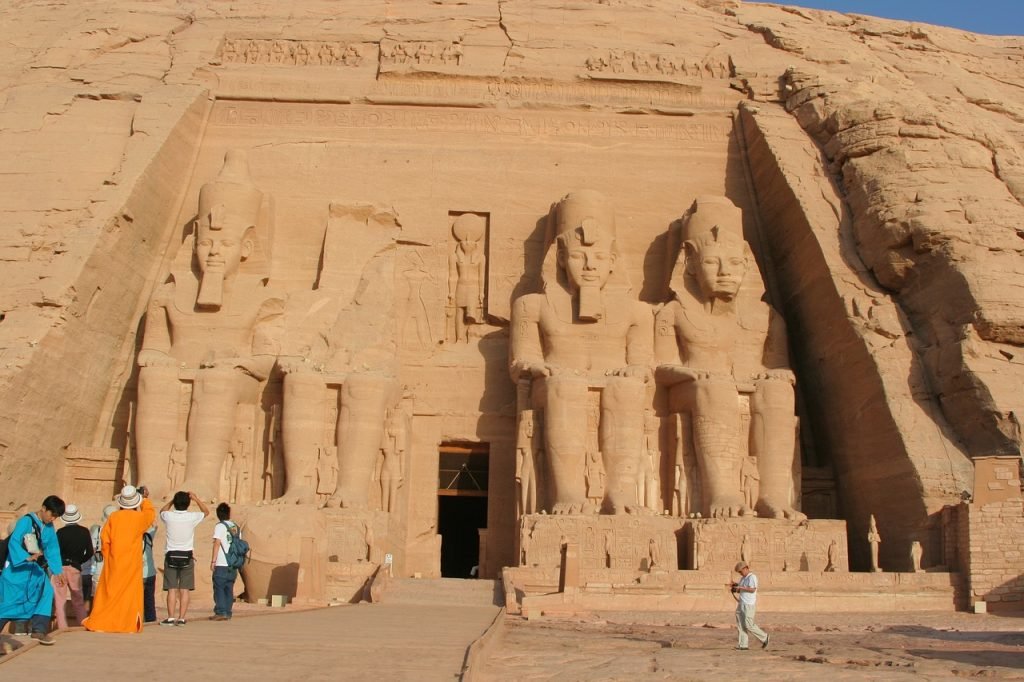
Abu Simbel is one of the most astonishing places in Egypt, and Americans consistently rank it among their top trip highlights. The temple, carved into a mountainside by Ramses II, is famous for its gigantic statues and for being relocated in the 1960s during the construction of the Aswan High Dam.
Most U.S. travelers visit Abu Simbel on a day trip from Aswan, leaving early morning (around 4 AM). While the ride is long, every American guest we’ve guided says it was absolutely worth it.
Local operator insight:
Sit on the left side of the bus for sunrise views during the drive.
This is a destination that stays with you forever.
Red Sea Resorts – Hurghada & Sharm El Sheikh for Relaxation
After days of exploring ancient temples, many Americans enjoy unwinding on the Red Sea coast. The region offers crystal-clear water, coral reefs, and world-class snorkeling and diving. Hurghada is perfect for travelers seeking relaxation, family-friendly hotels, and smooth resort experiences. Sharm El Sheikh, meanwhile, appeals to Americans interested in adventure, nightlife, or upscale luxury.
Common activities include snorkeling, boat trips, desert safaris, spa days, and simply relaxing by the sea. U.S. travelers often remark that the Red Sea’s color looks “Photoshopped” because of how intensely blue it appears.
Insider tip:
Choose resorts with house reefs if you love snorkeling. Some have coral gardens directly accessible from the beach.
Alexandria – Mediterranean Charm with Egyptian Soul
Alexandria offers American travelers something uniquely different from the rest of Egypt: a blend of Mediterranean breeze, Greco-Roman history, and local Egyptian culture. It feels calmer than Cairo and more European in atmosphere, making it appealing to U.S. visitors who enjoy coastal cities.
Attractions include the Bibliotheca Alexandrina, Qaitbay Citadel, Montaza Gardens, and seafood restaurants overlooking the sea. The city’s mix of cultures reflects its long history of Greek, Roman, Egyptian, and Middle Eastern influences.
Insider tip for Egypt travel:
Visit the Library early in the day to avoid afternoon crowds.
Alexandria adds diversity and depth to an Egypt travel itinerary, especially for Americans seeking variety.
Insider Egypt Travel Logistics for Americans
Egypt Travel logistics can make or break a trip—especially for Americans who are traveling a long distance to reach Egypt. Fortunately, Egypt is highly organized for tourism, and with the support of a local expert, it becomes exceptionally smooth. Understanding transportation options, safety expectations, and budget ranges helps U.S. travelers feel grounded and confident before arrival.
Transportation between cities is straightforward. Domestic flights connect Cairo, Luxor, Aswan, Hurghada, and Sharm El Sheikh efficiently. Many Americans prefer private drivers over public transportation due to comfort, reliability, and time savings. EgyptTourz uses licensed drivers familiar with American expectations for safety and communication, offering a stress-free experience.
Safety is another top concern for U.S. visitors. Americans are often surprised at how safe they feel once they arrive. Tourist police, security checkpoints, and controlled access to sites create a reassuring environment. With a professional guide, navigation becomes effortless.
Budget considerations are also important. Egypt is more affordable than Europe or the United States, and American travelers often enjoy a higher level of comfort for the same budget. A detailed price comparison helps U.S. travelers set realistic expectations—and ensures they are pleasantly surprised by the value they receive.
Transportation, Flights & When Private Drivers Really Matter
Transportation in Egypt is efficient when planned properly. Domestic flights between Cairo, Luxor, Aswan, and the Red Sea are the fastest way to travel long distances. Trains exist but are slower and less comfortable for American standards.
Private drivers are especially useful in these situations:
- Airport pickups after long U.S. flights
- Travel between Luxor and Aswan (multiple stops along the way)
- Visiting remote sites like Dendera or Abydos
- Navigating Cairo’s traffic safely and comfortably
U.S. travelers appreciate clarity, communication, and predictability—qualities that professional local drivers provide.
Safety, Comfort & What Americans Should Expect
Safety is the #1 concern for American tourists researching Egypt. The reality is that major destinations such as Cairo, Luxor, Aswan, and the Red Sea are well-secured and heavily monitored by tourist police
What Americans should expect:
- Security checks at hotels and attractions
- Tourist police presence at major sites
- Friendly staff and locals
- Crowds in popular areas
- Organized, structured tourism zones
Insider reassurance:
Most American visitors are surprised at how safe and welcome they feel.
Traveling with a trusted local operator further increases comfort and navigation ease.
Egypt Travel Costs with a U.S. Price Comparison Table
Egypt offers excellent value for Americans. Below is a clear comparison of typical costs:
🇺🇸 Average U.S. Prices vs 🇪🇬 Egypt Prices
| Activity / Item | USA | Egypt |
|---|---|---|
| Dinner at a nice restaurant | $40–$70 | $10–$20 |
| 4–5 star hotel | $200–$350 | $80–$150 |
| Museum entry | $25–$40 | $5–$15 |
| Private driver daily | $250+ | $60–$90 |
| Nile cruise 4–5 nights | $1,200+ | $450–$700 |
| Bottled water | $2–$3 | $0.20 |
American travelers often comment that Egypt gives them more luxury for less money.
Cultural Etiquette for Americans Visiting Egypt
Understanding cultural expectations helps Americans feel comfortable and respectful during their trip. Egyptians are warm, social, humorous, and highly tolerant of cultural differences. As long as visitors show politeness and general respect, interactions are smooth and enjoyable.
Egyptians greet warmly with “Salam Alaikum.” Americans often find locals friendly and eager to talk. Eye contact, smiling, and politeness go a long way.
Egyptians appreciate slow, respectful communication—avoid overly direct or confrontational tones. Humor is common and welcomed.
Dress Code Explained for U.S. Travelers
Americans dress casually, and this is acceptable in most Egyptian tourist areas. However, modest clothing is appreciated in mosques or conservative neighborhoods.
General guidelines:
- Shoulders covered in religious sites
- Lightweight long sleeves for sun protection
- Comfortable shoes for walking
No strict dress code is enforced for tourists.
Photography Rules U.S. Tourists Must Know
Photography is allowed at most sites, but some tombs and museums require a separate ticket for cameras. Tripods and professional equipment may be restricted.
Always ask before photographing people, especially in rural areas.
Common Egypt Travel Mistakes Americans Make (and How to Avoid Them)
Americans often make predictable travel mistakes in Egypt:
- Visiting sites at midday
→ Solution: Explore early morning or late afternoon. - Underestimating distances
→ Egypt is large; plan realistic travel times. - Skipping a local guide
→ Americans later regret missing context and smoother logistics. - Wearing uncomfortable shoes
→ Ancient sites involve uneven ground and long walks. - Rushing the itinerary
→ Give yourself time to rest and adjust.
Egypt Travel Myths Americans Should Stop Believing
Common myths debunked:
- “Egypt is unsafe for Americans.”
→ Reality: Major destinations are secure and heavily monitored. - “You must dress extremely conservatively.”
→ Reality: Modest clothing is appreciated but not enforced for tourists. - “Local food will make you sick.”
→ Reality: Eating at reputable places is safe and delicious. - “Vendors are aggressive.”
→ Reality: They are enthusiastic but respectful when you decline politely.
The Ideal 7–10 Day Egypt Travel Itinerary for Americans
American travelers typically have 7–10 vacation days, and Egypt’s geography makes it easy to create a balanced itinerary that blends history, culture, and relaxation. The following plan is designed specifically around U.S. travel habits—factoring in jet lag, energy levels, pacing comfort, and the destinations American guests consistently rank highest.
This itinerary avoids rushing and allows time to process the significance of each site. It offers guided tours, free time, unique experiences, and logistical flow that ensures comfort throughout.
The order is intentional:
- Start with Cairo, where excitement is high.
- Move to Luxor, where history becomes immersive.
- Continue to Aswan, where you find calmness and beauty.
- Extend to Abu Simbel, one of Earth’s most extraordinary monuments.
- Finish with a Nile cruise or Red Sea getaway, depending on your travel style.
This structure works beautifully for first-time American visitors, minimizing stress and maximizing emotional impact.
Days 1–2: Cairo & Giza
Begin your journey in Cairo. Start with the Pyramids, Sphinx, and Valley Temple. Americans often describe this day as “the moment it hits you that you’re really in Egypt.”
Tips for U.S. travelers:
- Visit early in the morning to avoid heat and crowds.
- Camel rides at the panoramic point offer iconic photos.
- The Grand Egyptian Museum (when fully open) is a must-see.

Day 2 is ideal for exploring Old Cairo– Coptic churches, Islamic Cairo, Khan El Khalili Bazaar, and a Nile dinner cruise that gently introduces you to Egyptian culture.
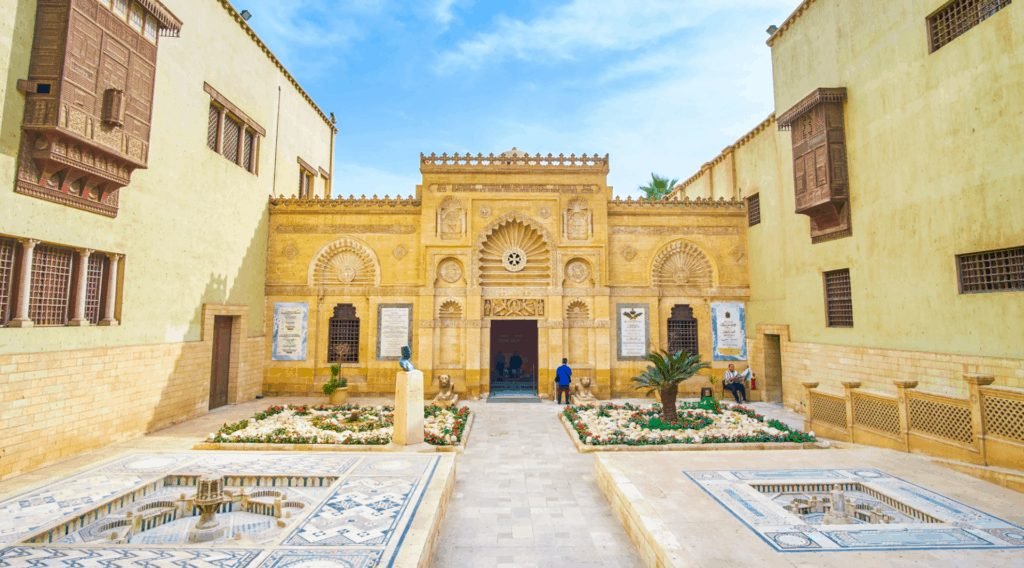
Days 3–4: Luxor
Fly to Luxor, America’s favorite city in Egypt. Spend one day exploring the East Bank: Karnak Temple and Luxor Temple. The evening illumination at Luxor Temple is unforgettable.
On day four, cross to the West Bank to visit the Valley of the Kings, Hatshepsut Temple, and the Colossi of Memnon. A hot-air balloon ride at sunrise is one of the top-rated experiences for American travelers.
Insider tip:
The Tomb of Ramses V/VI offers jaw-dropping artwork and is worth the extra ticket.
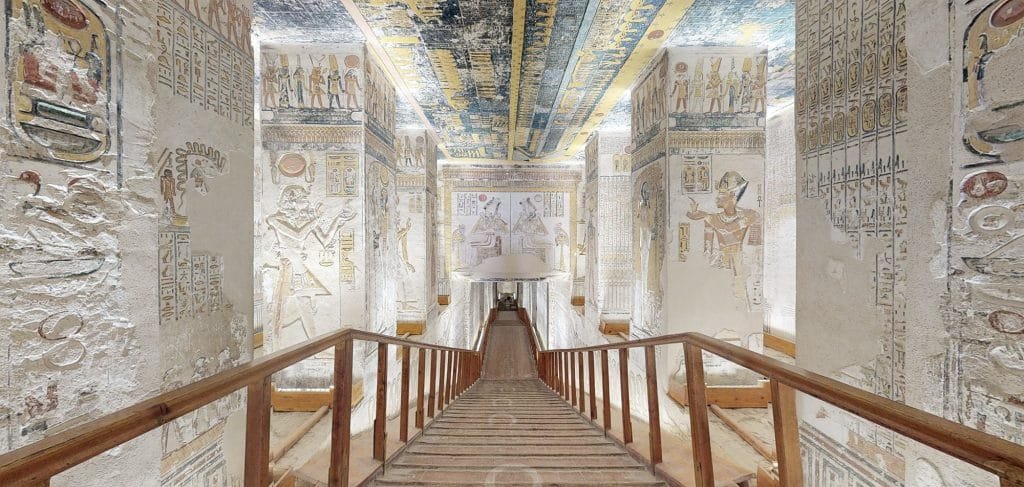
Days 5–6: Aswan & Abu Simbel
Travel to Aswan—peaceful, warm, and scenically stunning. Visit Philae Temple, the unfinished obelisk, and wander through Nubian villages. A felucca sail at sunset is often described by Americans as “the most serene moment of the trip.”
Day six is dedicated to Abu Simbel. Leave early morning for this incredible adventure. Your guide will explain how the temples were relocated in the 1960s—an engineering marvel admired worldwide, including by the U.S.
Days 7–10: Nile Cruise or Red Sea Extension
Option 1: Nile Cruise
Ideal for travelers wanting comfort and an organized pace. Americans consistently give Nile cruises the highest satisfaction ratings. Enjoy meals onboard, guided temple visits, and gentle Nile scenery.
Option 2: Red Sea Resorts
Perfect for U.S. travelers wanting beach time, snorkeling, or winter sunshine. Hurghada and Sharm El Sheikh offer coral reefs, warm water, and relaxation.
Both options beautifully close the journey.
Why Traveling in Egypt with a Local Expert Gives Americans a Better Experience?
Americans value clarity, organization, safety, and friendly communication—qualities that experienced Egyptian guides provide naturally. Egypt is incredibly rewarding, but navigating it alone can be overwhelming for first-time visitors. Traffic, cultural differences, distances, tipping norms, and entry logistics can create confusion without local insight.
A trusted operator like Egypt Tourz bridges that gap. Know more about us.
Our guides explain history in engaging storytelling, help you understand cultural nuances, handle transportation, avoid crowds, and ensure your experience feels effortless. Americans appreciate having someone who anticipates their needs—especially after a long travel from the U.S.
Local experts also know the best times to visit sites, the hidden photo points, and the authentic restaurants where food is safe and delicious. Travelers avoid common mistakes and experience Egypt the way it should be experienced: comfortably, confidently, and deeply.
This isn’t about selling—it’s about supporting. The right guide transforms your trip from good to unforgettable.
Final Thoughts: Egypt Travel Stays in the Heart Forever
Egypt travel is more than a vacation—it’s a connection to the beginning of human history, experienced through warm hospitality and unforgettable landscapes. For Americans, the journey feels transformative. It shifts perspective, sparks curiosity, and creates memories that stay for a lifetime.
Whether you come for the Pyramids, the Nile, the temples, or the Red Sea, Egypt has a way of speaking to travelers in a personal way. Many Americans tell us they arrived curious—but left changed.
At EgyptTourz, we are honored to guide guests through this remarkable journey. Our goal is simple: to help you feel cared for, informed, and inspired every step of the way. Traveling with local experts ensures comfort, cultural depth, and meaningful connection—turning your dream of Egypt into a beautifully lived experience.
Egypt will welcome you warmly, and we hope this guide brings you one step closer to the journey of a lifetime.
FAQs for U.S. Travelers
Q: Is Egypt safe for American tourists?
A: Yes. Major destinations such as Cairo, Luxor, Aswan, Abu Simbel, and the Red Sea are heavily monitored and very safe for visitors.
Q: Do Americans need a visa for Egypt?
A: Yes, but the process is simple. U.S. travelers can get a visa on arrival for $25 or apply online.
Q: How many days do Americans need in Egypt?
A: At least 7–10 days for a comfortable itinerary covering Cairo, Luxor, Aswan, and optionally a Red Sea or Nile cruise extension.
Q: Do I need a guide in Egypt?
A: Highly recommended. Americans benefit greatly from cultural guidance, safety support, and expert storytelling.
Q: What is the best time for Egypt travel?
A: October–April offers the most pleasant weather for U.S. visitors.
Q: Is the food safe for Americans?
A: Yes—when eating in reputable restaurants or hotels. Egyptian cuisine is flavorful, fresh, and generally safe.
Q: Are Nile cruises worth it?
A: Absolutely. They are the #1 highest-rated Egypt experience among American travelers.